
Allergies
Do Alternative Remedies for Allergies Actually Work?
June 2, 2026
•
9 minutes
Reviewed by Michael Kaplan, MD
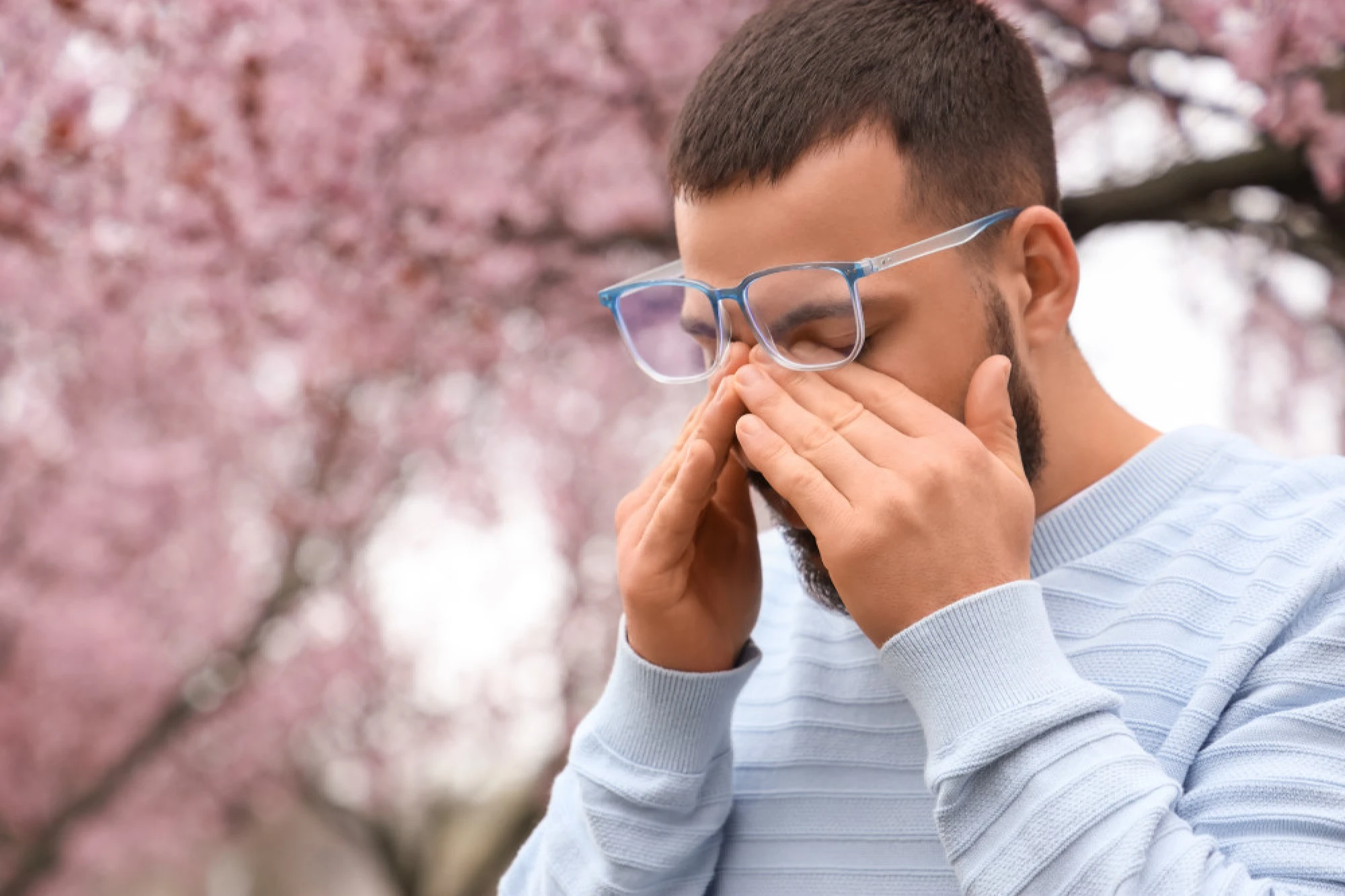
You’ve done everything right. You’ve researched, you’ve tried, and you’ve spent more money than you’d like to admit on remedies that were supposed to help. And still, every allergy season, you’re back to square one — congested, exhausted, and wondering why nothing ever seems to actually work.
You’re not imagining it, and you’re not doing anything wrong. The truth is that most alternative remedies for allergies are designed to manage symptoms in the moment, not address what’s actually triggering them. Some — like saline rinses or steam inhalation — can offer genuine short-term comfort. Others, like local honey or herbal supplements, have little clinical evidence behind them at all. None of them gets to the root of why your immune system is overreacting in the first place. And until that’s addressed, the cycle continues.
The good news? It doesn’t have to. Dr. Michael Kaplan and the team at Kaplan Sinus Relief are among the most trusted Houston ENT specialists for patients who have tried everything and are ready for real answers. The testimonials from people who finally broke that cycle say it better than we can.
If you’re done settling for “a little better,” schedule an appointment with Kaplan Sinus Relief and find out what lasting relief actually feels like.
“Dr. Kaplan is the most caring and knowledgeable ENT doctor I have ever met. His staff is also excellent. I cannot say enough good things about the whole team. I won’t go anywhere else. I have recommended them to all my friends.”
— Mary B, Google Review
The alternative allergy remedies people try most — and what the evidence actually says
If you’ve gone searching for what helps allergies at home, you’ve probably come across the same handful of suggestions. Here’s an honest look at the most common ones.
Local honey: The idea is that eating honey made near your home exposes you to local pollen, gradually making your immune system less reactive to it. It’s a compelling theory, but the evidence doesn’t back it up. The pollen in honey comes mostly from flowers, not from the grasses and trees that trigger most seasonal allergies. A few small studies have looked into it, and none have found a meaningful benefit.
Saline nasal rinses: This one actually has real support behind it. Rinsing your nasal passages with a saline solution can help flush out allergens, reduce congestion, and ease irritation. It won’t stop an allergic reaction from happening, but it can make symptoms more manageable in the moment. Of the alternative allergy remedies out there, this is one of the few with consistent clinical backing.
Herbal supplements: Butterbur, stinging nettle, quercetin — these are among the most popular herbal options for allergy relief. Some show modest promise in early research, particularly butterbur for nasal symptoms. But the evidence is limited, the quality and dosage of supplements vary widely between brands, and some can interact with medications. They’re not a replacement for proper treatment.
Essential oils: Eucalyptus, peppermint, and lavender are commonly recommended for congestion and allergy symptoms. Steam inhalation can provide temporary comfort, but there’s no clinical evidence that essential oils reduce allergic responses. For some people with sensitive airways, strong scents can actually make symptoms worse.
Dietary changes: Some people find that cutting out certain foods or adding anti-inflammatory ingredients reduces how reactive they feel overall. There’s some logic to it — chronic inflammation can make allergy symptoms harder to manage — but diet alone won’t address a true allergic response. It’s a supportive measure at best, not a solution.
Air purifiers: High-quality HEPA air purifiers can meaningfully reduce airborne allergens like pet dander, dust mites, and pollen indoors. This is one of the more practical environmental controls available and can genuinely reduce your allergen load at home. The limitation is obvious — you can’t take your air purifier everywhere.
Most of what’s listed above — when it works at all — is doing one of two things: reducing your exposure to allergens or temporarily calming the symptoms they cause. That’s not nothing. Fewer allergens in the air means fewer triggers. Less congestion means better sleep. Those things matter.
But none of them address what’s actually happening in your body.
Why don’t alternative remedies for allergies work long-term?
When you have allergies, your immune system has identified something harmless — pollen, pet dander, dust mites, mold — as a threat. Every time you encounter it, your body launches a defense response, releasing histamines that cause the sneezing, itching, swelling, and congestion you know all too well. That response is coming from your immune system, and no home remedy changes how your immune system is calibrated.
This is why the cycle persists. You manage symptoms for a few days, feel okay, encounter the allergen again, and the reaction comes right back. Without something that actually retrains or reduces your immune system’s sensitivity to the trigger, you’re not solving the problem — you’re just buying time between flare-ups.
This is also why the question of how to get rid of allergies permanently isn’t one that alternative remedies can answer. Lasting relief requires a clinical approach — one that starts with understanding exactly what you’re allergic to and why your immune system is responding the way it is.
When to see an ENT for allergies
Home remedies are a reasonable first step. But there are clear signs that what you’re dealing with has moved beyond what any supplement or saline rinse can handle, including:
Your symptoms are happening year-round, not just seasonally. Seasonal allergies are one thing. But if you’re congested, itchy, or reactive in every season, you’re likely dealing with persistent triggers — indoor allergens, food sensitivities, or environmental factors that need to be properly identified.
You’ve had a severe sinus allergy attack. Severe flare-ups that leave you unable to function, cause significant facial pressure or pain, or don’t resolve on their own are a signal that your allergies are not mild. Pushing through with home remedies at that point isn’t the right call.
Over-the-counter medications have stopped working. If antihistamines and decongestants previously helped but no longer do, or if you’re taking them constantly just to get through the day, that’s a sign your allergies need professional management — not just better symptom control.
You’re not sure what you’re actually allergic to. Guessing at your triggers and avoiding things you think might be the problem is exhausting and often inaccurate. Without knowing exactly what your immune system is reacting to, you can’t make an informed plan.
Your quality of life is affected. Sleep problems, difficulty concentrating, missed work or activities, chronic fatigue — if allergies are affecting your daily life, that’s reason enough to get real answers.
Any of these scenarios calls for Houston ENT and allergy care from someone equipped to diagnose and treat the underlying problem, not just the symptoms.
How an ENT specialist can help you manage your allergies
The process starts with figuring out exactly what you’re reacting to. Allergy testing in Houston at a clinic like Kaplan Sinus Relief uses proven diagnostic methods to identify your specific triggers, so nothing is left to guesswork.
Depending on what that diagnosis reveals, a specialist has a full range of treatment options available — including:
- Immunotherapy: allergy shots or sublingual drops that gradually reduce your immune system’s sensitivity to specific triggers, and the most evidence-backed answer to how to get rid of allergies permanently
- Environmental allergy care: working with an environmental allergist to identify and reduce exposure to indoor and outdoor triggers like dust mites, mold, pet dander, and pollen
- Food allergy treatments: diagnostic and management options for patients whose reactions are tied to what they eat
- Treatment for allergic reaction to insects: including venom immunotherapy for patients who have experienced serious reactions to stings
- Skin allergy care: identifying the underlying triggers behind hives, eczema, or contact dermatitis and offering a genuine path toward a cure for skin allergies
- Balloon sinuplasty for chronic allergies: a minimally invasive procedure that opens blocked sinus passages when medication alone isn’t enough
- Allergy surgery: recommended only when structural issues are compounding the problem and a surgical approach genuinely makes sense for the patient
If you’ve had a severe sinus allergy attack, if your symptoms are year-round, or if you’ve simply tried everything and nothing has stuck, a specialist can give you answers that a home remedy never will.
Alternative remedies for allergies — FAQs
What is the best natural cure for allergies?
There isn’t one — no natural remedy has been shown to cure allergies. Some options, like saline rinses and HEPA air purifiers, can reduce symptoms or limit allergen exposure, but none address the underlying immune response driving your reactions.
How to holistically get rid of allergies?
A truly holistic approach means treating the whole problem, not just the symptoms — and that requires professional care. Combining allergen avoidance, lifestyle adjustments, and clinically proven treatments like immunotherapy is the most comprehensive path to lasting relief.
Does allergy relief medicine actually work?
Over-the-counter antihistamines and decongestants can be effective at managing symptoms in the short term. However, they don’t treat the cause of your allergies, which is why many people find that medication becomes less effective over time or needs to be taken constantly just to stay functional.
It’s time to stop managing your allergies and start treating them with Kaplan Sinus Relief.
There’s nothing wrong with trying to find relief on your own. Most people do. But if you’ve worked your way through every alternative remedy for allergies that the internet has to offer and you’re still suffering, that’s not a personal failure — it’s a sign that what you’re dealing with needs more than a home remedy can provide.
Allergies are an immune system problem, and solving an immune system problem takes clinical expertise, accurate diagnosis, and a treatment plan built around your specific triggers. That’s exactly what Kaplan Sinus Relief offers. Whether your symptoms are seasonal, year-round, mild, or severe, the team here has the tools and experience to get to the bottom of what’s driving them — and to give you a real path forward.
You don’t have to keep settling for “a little better.” Schedule an appointment with Kaplan Sinus Relief today and find out what it feels like to actually treat your allergies, not just survive them.
More Helpful Articles by Kaplan Sinus Relief: