
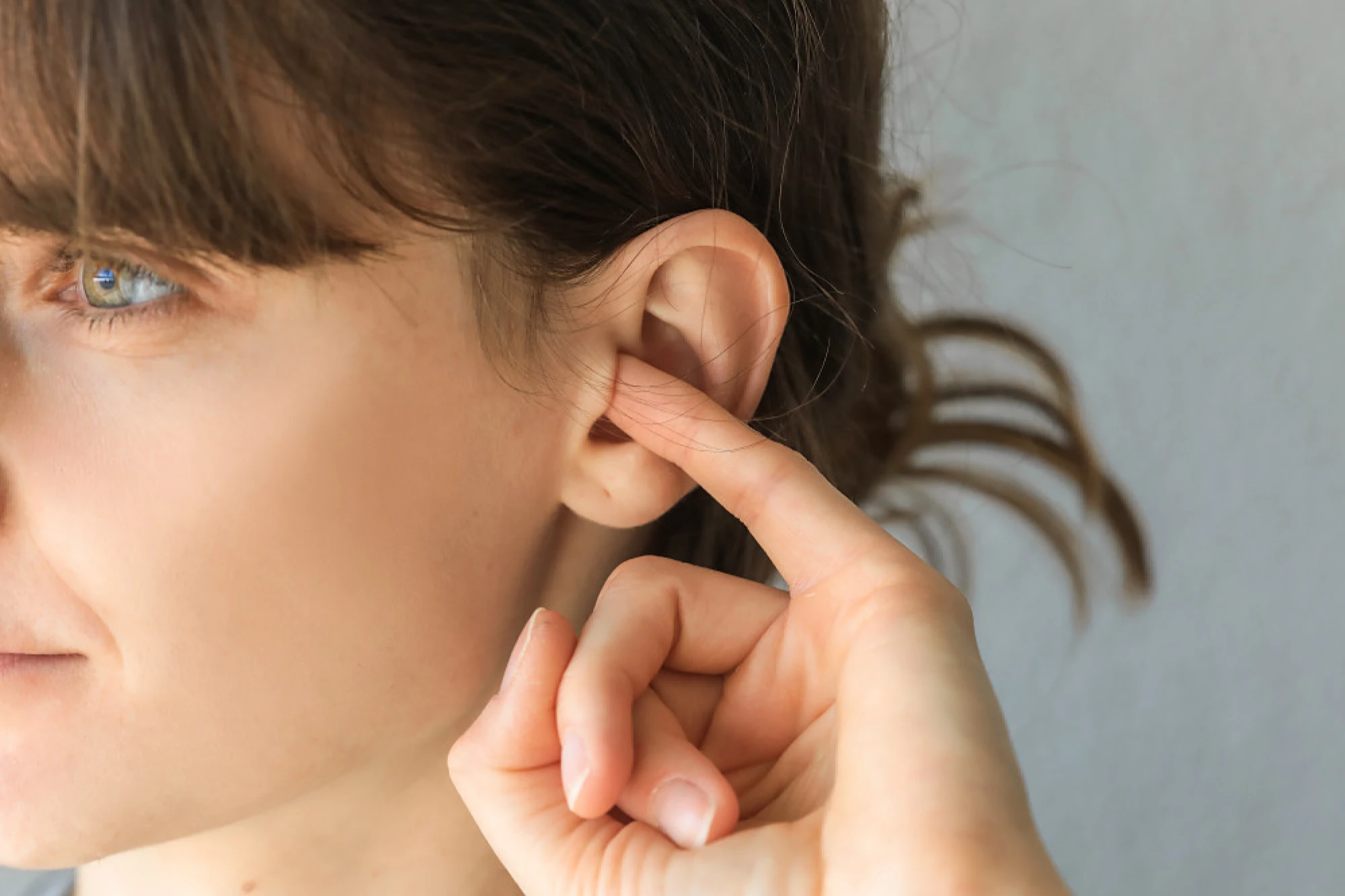
Struggling with itchy ears? We’ve all been there — that annoying, persistent itch deep inside your ear that you just can’t seem to reach or relieve. Understanding what’s causing that uncomfortable sensation is the first step toward finding relief and getting back to your day without constantly wanting to stick something in your ear.
There are several reasons for itchy ears, including:
- Earwax buildup or blockage
- Allergic reactions to hair products, jewelry, or environmental allergens
- Dry skin inside the ear canal
- Bacterial or fungal infections
- Eczema or dermatitis
- Overuse of cotton swabs or other objects that irritate the ear canal
- Swimmer’s ear
Don’t let itchy ears continue to bother you when professional help is readily available. The experienced team at Kaplan Sinus Relief, led by Dr. Michael Kaplan and Tiffany Bell, DMS, PA-C, specializes in diagnosing and treating all types of ear, nose, and throat concerns. Call (713) 766-1818 to schedule your appointment today!
Most common reasons for itchy ears
Earwax buildup or blockage
When earwax accumulates beyond normal levels, it can create a perfect storm of irritation inside your ears. This buildup doesn’t just block sound — it traps moisture and debris against the delicate skin of your itchy ear canal, creating an environment where bacteria can thrive.
Many people don’t realize that earwax serves an important protective function, but when there’s too much of it or it becomes impacted, it transforms from protector to irritant, causing that maddening itch you feel deep inside your ear.
Allergic reactions to hair products, jewelry, or environmental allergens
Your ears are surprisingly sensitive to the products and materials they come into contact with daily. Shampoos, conditioners, hair sprays, and even certain metals in earrings can trigger allergic reactions that leave your ears feeling itchy and uncomfortable.
Environmental allergens like pollen, dust, and pet dander can also affect your ears, sometimes causing symptoms that make you experience both an itchy throat and ears simultaneously, as these areas share connected pathways in your upper respiratory system.
Dry skin inside the ear canal
Just like the skin on the rest of your body, the delicate skin inside your ears can become dry and flaky, especially during colder months when indoor heating reduces humidity levels. When this happens, your itchy inner ear becomes a constant source of discomfort as the dry, irritated skin sends signals to scratch an itch you can’t properly reach. This condition is particularly common among older adults and people who live in dry climates or spend significant time in air-conditioned environments.
Bacterial or fungal infections
Infections represent some of the more serious causes of ear itching and often require professional treatment. Bacterial infections can cause significant inflammation and discomfort, while fungal infections tend to create persistent itching along with unusual discharge.
These infections can sometimes lead to a swollen ear canal, making the itching sensation even more intense and harder to ignore. Left untreated, these infections can worsen and potentially affect your hearing.
Eczema or dermatitis
People who suffer from eczema or other forms of dermatitis often find that these skin conditions extend into their ear canals, creating chronic itching and irritation. These inflammatory skin conditions are among the more common ENT disorders that cause persistent ear discomfort, and they can be particularly challenging because the affected skin is so difficult to treat directly. The itching from eczema tends to be cyclical — the more you try to scratch or relieve it, the more inflamed and itchy the skin becomes.
Overuse of cotton swabs or other objects that irritate the ear canal
While it might seem logical to use cotton swabs to clean your ears or relieve itching, this common habit often makes the problem worse. Frequent use of cotton swabs, bobby pins, or other objects can scratch the delicate skin inside your ears, remove protective earwax, and push debris deeper into the ear canal. This irritation creates a cycle where your ears feel itchy, you try to clean them, and the cleaning process creates more irritation and itching.
Swimmer’s ear
Also known as otitis externa, swimmer’s ear occurs when water becomes trapped in your ear canal after swimming, showering, or any water activity. The moist environment created by trapped water becomes an ideal breeding ground for bacteria and fungi, leading to infection and intense itching. Interestingly, some people who develop swimmer’s ear may also experience an ear infection and sinus infection at the same time, as the same bacteria or inflammatory processes can affect multiple areas of your upper respiratory system.
When should I be worried about itchy ears?
While most cases of itchy ears are simply annoying rather than dangerous, there are certain warning signs that indicate you should seek medical attention sooner rather than later. Generally speaking, if your ear itching persists for more than a few days, worsens despite home care, or is accompanied by other concerning symptoms, it’s time to consult with a healthcare professional.
You should schedule an appointment with an ENT specialist if you experience any of these symptoms along with your itchy ears:
- Severe or persistent ear pain that doesn’t improve with over-the-counter pain relievers
- Discharge or fluid leaking from your ear, especially if it’s bloody or has a foul odor
- Significant hearing loss or sudden changes in your ability to hear
- Fever, dizziness, or balance problems accompanying the ear itching
- Swelling around the ear or on the side of your face
- Symptoms that worsen despite trying home remedies for several days
- Signs of infection spreading, such as red streaking from the ear area
Remember that early intervention often leads to faster relief and prevents minor ENT problems from becoming more serious issues. If you’re experiencing persistent itchy ears along with any of these warning signs, don’t wait to see if the symptoms resolve on their own.
How do you get rid of itchy ears?
The treatment approach for itchy ears depends entirely on what’s causing the problem in the first place. While some home remedies can provide temporary relief for minor irritation, persistent or severe itching usually requires professional diagnosis and treatment to address the underlying cause effectively.
Here are some effective methods for treating itchy ears:
- Over-the-counter ear drops for itchy ears can help soften earwax buildup and reduce irritation when used as directed
- Placing a warm, dry cloth against the outside of your ear to soothe discomfort
- Using a humidifier in your bedroom to add moisture to dry indoor air that might be contributing to the problem
- Prescription antibiotic ear drops for bacterial infections as recommended by your doctor
- Antifungal medications for yeast-related ear problems
- Professional ear cleaning performed by a healthcare provider to remove impacted wax or debris safely
- Corticosteroid drops to reduce inflammation and itching
- Treatment of underlying conditions like eczema or allergies that contribute to ear discomfort
Remember that the most effective way to get lasting relief is to identify and treat the root cause rather than just managing symptoms. A qualified ENT professional can examine your ears, determine what’s causing the itching, and develop a targeted treatment plan that addresses your specific situation.
Tired of constant ear itching? Kaplan Sinus Relief has the solution.
Don’t let itchy ears continue to bother you when professional help is readily available. While home remedies might provide temporary relief, getting to the root cause of your ear discomfort requires the expertise of trained professionals who can properly diagnose and treat the underlying issue.
The experienced team at Kaplan Sinus Relief, led by Dr. Michael Kaplan, specializes in diagnosing and treating all types of ear, nose, and throat concerns. Call (713) 766-1818 today to schedule your appointment and discover the underlying cause of your ear discomfort — you’ll be amazed at how much better you’ll feel once you get the proper treatment you need.
More Helpful Articles by Kaplan Sinus Relief:
- Does Barometric Pressure Affect Sinuses?
- 5 Benefits of Balloon Sinusitis Surgery
- What is an ENT Specialist?
- How to Relieve a Swollen Ear Canal
- Can GERD Cause Sinus Problems?