
Allergies
8 Ways to Avoid Fall Allergy Symptoms and Sinus Problems
September 15, 2026
•
11 minutes
Reviewed by Michael Kaplan, MD
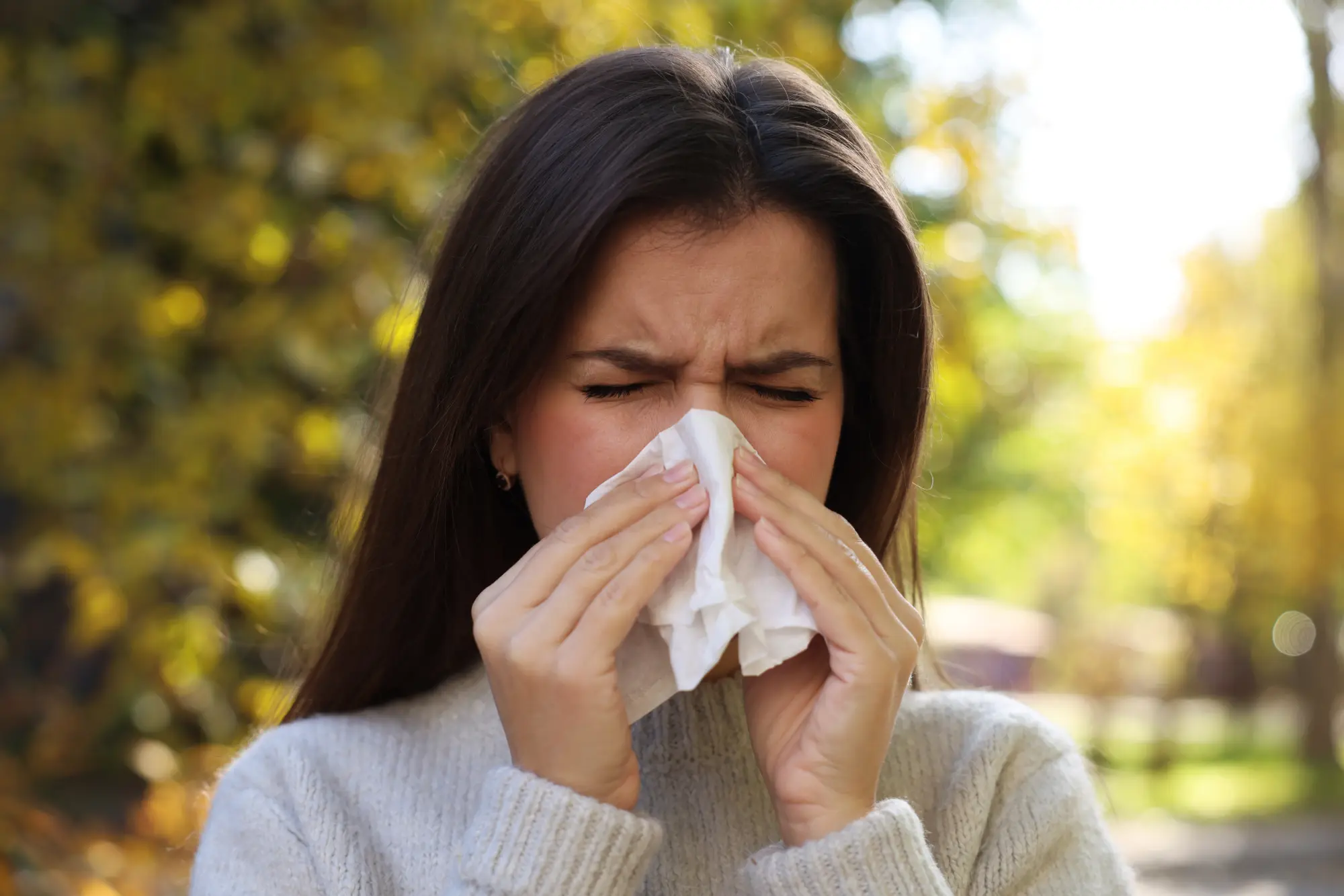
| Avoid fall allergy symptoms and sinus problems by limiting outdoor exposure during high pollen hours, keeping windows closed, using a HEPA air filter indoors, and rinsing sinuses regularly with saline. If symptoms persist despite these steps, an ENT evaluation can identify underlying issues like a deviated septum or chronic sinusitis. |
Fall doesn’t just bring cooler weather and pumpkin spice; it also kicks off one of the year’s toughest allergy seasons, thanks to ragweed pollen, mold spores, and dust stirred up by the season’s first cold fronts. If your sneezing and congestion seem to show up right on schedule every October, you’re not imagining it, and you’re not stuck with it either.
Here are eight ways to protect yourself this season:
- Track local pollen and mold counts
- Keep indoor air clean and filtered
- Rinse your sinuses daily with saline
- Manage common household triggers
- Support your immune system before allergy season peaks
- Treat symptoms early instead of waiting them out
- Recognize when allergies have turned into a sinus infection
- Know when it’s time to see a specialist
Below, Dr. Michael Kaplan, founding ENT specialist of Kaplan Sinus Relief, will break down each of these strategies so you can tackle fall allergy symptoms with a plan instead of a tissue box.
1. Track local pollen and mold counts
Checking pollen and mold levels each morning helps you plan your day around the times when triggers are lowest. Ragweed pollen and outdoor mold spores both peak in the Houston area between September and November, making them two of the biggest drivers of fall sinus symptoms.
Most local news stations and weather apps publish a daily allergy count in Houston and mold index specific to the area, and it’s worth building a quick check into your morning routine right alongside the weather forecast. Pollen and mold counts tend to run highest on dry, windy mornings and drop after rain, so shifting outdoor walks, yard work, or exercise to the early evening can significantly cut your exposure.
If you already know your triggers tend to spike on high-count days, that’s also a good cue to start any allergy medication a day ahead rather than waiting for symptoms to hit.
2. Keep indoor air clean and filtered
The air inside your home matters just as much as the air outside, since dust and mold spores settle indoors and continue triggering symptoms long after you’ve come in for the day. Filtering that air is one of the simplest ways to reduce daily exposure to environmental allergies. A cleaner indoor environment gives your sinuses a chance to calm down between outdoor exposures.
- HEPA filtration: use a standalone air purifier or a HEPA filter built into your HVAC system to capture the fine particles standard filters let through
- Closed windows: keep windows shut during peak pollen hours to limit outdoor allergens from entering the home
- Monthly filter changes: swap out air filters monthly during allergy season to maintain effective filtration
- Humidity control: run a dehumidifier in rooms prone to moisture to keep mold from taking hold
- Regular vacuuming: use a HEPA-equipped vacuum and clean carpets and upholstery frequently
- Weekly bedding washes: wash bedding in hot water weekly to remove allergens that collect in pillowcases and sheets
3. Rinse your sinuses daily with saline
A daily saline rinse flushes allergens, mucus, and irritants out of the nasal passages before they have a chance to cause inflammation. This simple habit is one of the most effective ways to relieve fall allergy sinus pressure without relying solely on medication. Many patients notice a difference within just a few days of starting a consistent rinse routine.
Using a neti pot or squeeze bottle with a sterile saline solution once or twice a day, ideally in the morning and evening, helps clear out the pollen and dust that settle in the nasal passages throughout the day. It’s important to use distilled or previously boiled water rather than tap water to avoid introducing bacteria into the sinuses. For patients who deal with recurring congestion each fall, this is often one of the easiest habits to add to an existing routine, and it pairs well with any allergy medication already in use.
4. Manage common household triggers
Allergy triggers don’t stay outside. Dust mites, pet dander, and hidden moisture problems inside the home can be just as responsible for symptoms as anything blowing around outdoors, and unnoticed dampness can even lead to a sinus infection from mold growing in walls, bathrooms, or HVAC systems. Identifying and reducing these sources indoors is a key part of managing fall sinus allergies.
- Moisture checks: inspect damp basements, leaky pipes, and poorly ventilated bathrooms, since these create the conditions mold needs to grow
- Seasonal inspections: check under sinks, around window seals, and in air vents for signs of moisture or musty odors
- Pet bedding care: wash pet bedding regularly to reduce dander buildup
- Allergen-proof covers: use allergen-proof covers on mattresses and pillows to limit dust mite exposure
- Humidity levels: keep indoor humidity between 30 and 50 percent to discourage mold and dust mite growth
Continue reading: Can dust cause a sinus infection?
5. Support your immune system before allergy season peaks
A well-supported immune system tends to handle seasonal allergy exposure with fewer and milder flare-ups. Building healthy habits before symptoms start is one of the most overlooked ways to prevent fall allergy symptoms in adults from becoming severe. Prevention, in this case, really does start well before the first ragweed bloom.
- Consistent sleep: prioritize regular, quality sleep to support overall immune function
- Hydration: drink enough water throughout the day to help thin mucus and support the body’s natural defenses
- Anti-inflammatory diet: eat leafy greens, fatty fish, and fresh fruit to help regulate the body’s inflammatory response
- Moderate exercise: stay active regularly, but avoid strenuous outdoor workouts on high pollen count days
- Early habit-building: start these habits in late summer, before allergy season fully ramps up, to give your body a head start
6. Treat symptoms early instead of waiting them out
Waiting until symptoms become severe almost always makes them harder to manage. Starting treatment at the first sign of sneezing, congestion, or itchy eyes keeps inflammation from building, and having the right fall allergy medicine on hand before symptoms start makes early treatment much easier to follow through on.
Over-the-counter antihistamines, nasal corticosteroid sprays, and decongestants each target symptoms differently, and knowing which one fits your specific symptoms makes a real difference in how quickly you feel relief. Antihistamines work well for sneezing and itching, while nasal steroid sprays are typically more effective for ongoing congestion, and using them a week or two before your usual symptom onset can blunt the whole season’s severity.
Patients who wait until symptoms are already in full swing often need a higher dose or a longer course of treatment to get the same level of relief that earlier intervention would have provided.
7. Recognize when allergies have turned into a sinus infection
Allergies and sinus infections share enough symptoms that it’s easy to mistake one for the other, but they aren’t the same thing and don’t respond to the same treatment. Understanding the link between allergies and sinus infections helps you know when it’s time to shift from allergy management to actual treatment of an infection.
Allergy symptoms tend to be watery and itchy, with clear nasal discharge, sneezing, and itchy or watery eyes. A sinus infection, on the other hand, typically brings thick, discolored mucus, facial pain or pressure that worsens when bending forward, and symptoms that last well beyond the usual week to ten days of an allergy flare, sometimes accompanied by fever or a reduced sense of smell.
Because prolonged allergy inflammation can actually set the stage for an infection by blocking normal sinus drainage, patients whose “allergies” seem to be dragging on far longer than usual are often dealing with something more than allergies alone.
8. Know when it’s time to see a specialist
Most fall allergy symptoms respond well to at-home care, but some patients need more targeted treatment to get real relief. If symptoms are recurring year after year, worsening despite consistent home care, or interfering with daily life, it’s time to consult a Houston ENT and allergy specialist rather than continuing to manage things on your own.
An ENT can identify whether an underlying structural issue, like a deviated septum or nasal polyps, is amplifying seasonal symptoms, and can also determine whether ongoing congestion has progressed into chronic sinusitis.
Diagnostic tools like nasal endoscopy and imaging give a clearer picture than allergy symptoms alone can, and treatment options range from prescription medication to minimally invasive procedures like balloon sinuplasty for patients who don’t respond to conservative care. For anyone searching for the best allergist in Houston because fall keeps bringing the same frustrating symptoms year after year, a specialist evaluation is often the step that finally breaks the cycle.
“Too many patients wait months, or even years, telling themselves it’s just allergies before coming in. If your symptoms are showing up every fall and getting harder to manage each time, that pattern itself is worth a conversation with a specialist. We’d rather catch a treatable issue early than watch someone push through another difficult season.”
— Dr. Michael Kaplan
FAQs
How long do fall allergies last?
Fall allergy symptoms typically last from late August through the first hard frost, usually landing sometime in November for the Houston area. Symptoms often ease and flare in cycles depending on daily pollen and mold counts rather than fading steadily. Patients with more sensitive sinuses may notice symptoms lingering slightly longer than the general ragweed season itself.
When do fall allergies start in Houston?
Ragweed pollen, the primary driver of fall allergies in the region, usually begins rising in mid to late August and peaks through September and October. Mold spore counts often climb around the same time, especially after any late-summer rain. Most Houston patients start noticing symptoms right as the weather begins to shift toward cooler mornings.
What are fall sinus symptoms?
Common symptoms include nasal congestion, sinus pressure, postnasal drip, sneezing, and itchy or watery eyes. Some patients also experience headaches, fatigue, or a mild sore throat from drainage irritating the throat. When these symptoms last longer than ten days or come with thick discolored mucus, they may signal a developing sinus infection rather than allergies alone.
Can fall allergies cause a sinus infection?
Yes, prolonged allergy inflammation can block normal sinus drainage, creating the perfect environment for bacteria or fungus to grow. When congestion lingers for more than a week or two without improvement, it’s often a sign that allergies have progressed into a sinus infection. Treating allergy symptoms early is one of the best ways to prevent that progression.
What’s the best way to treat fall allergies at home?
A combination of daily saline rinses, over-the-counter antihistamines or nasal sprays, and reducing exposure to pollen and dust indoors covers most mild to moderate cases. Keeping windows closed, running a HEPA filter, and checking daily pollen counts before planning outdoor activities also go a long way. If symptoms persist despite consistent home care, it’s worth having an ENT rule out an underlying issue.
Don’t wait out another fall allergy season. Schedule an appointment with Kaplan Sinus Relief today!
Fall allergy symptoms don’t have to be something you just push through every year. Whether you’re dealing with routine seasonal congestion or symptoms that have progressed into something more serious, our team is ready to help you find lasting relief. Dr. Kaplan and Tiffany Bell, PA-C, work together to give every patient a personalized plan, from allergy management to chronic sinusitis treatment in Houston for those who need more advanced care.
As a trusted Houston ENT practice, we’ve helped countless patients stop dreading fall and start enjoying it again. If your symptoms are holding you back this season, don’t wait for them to get worse. Schedule an appointment today and let us help you breathe easier all season long.
More Helpful Articles by Kaplan Sinus Relief: