
Allergies
How to Prevent Allergies in the Spring
February 18, 2026
•
9 minutes
Reviewed by Michael Kaplan, MD
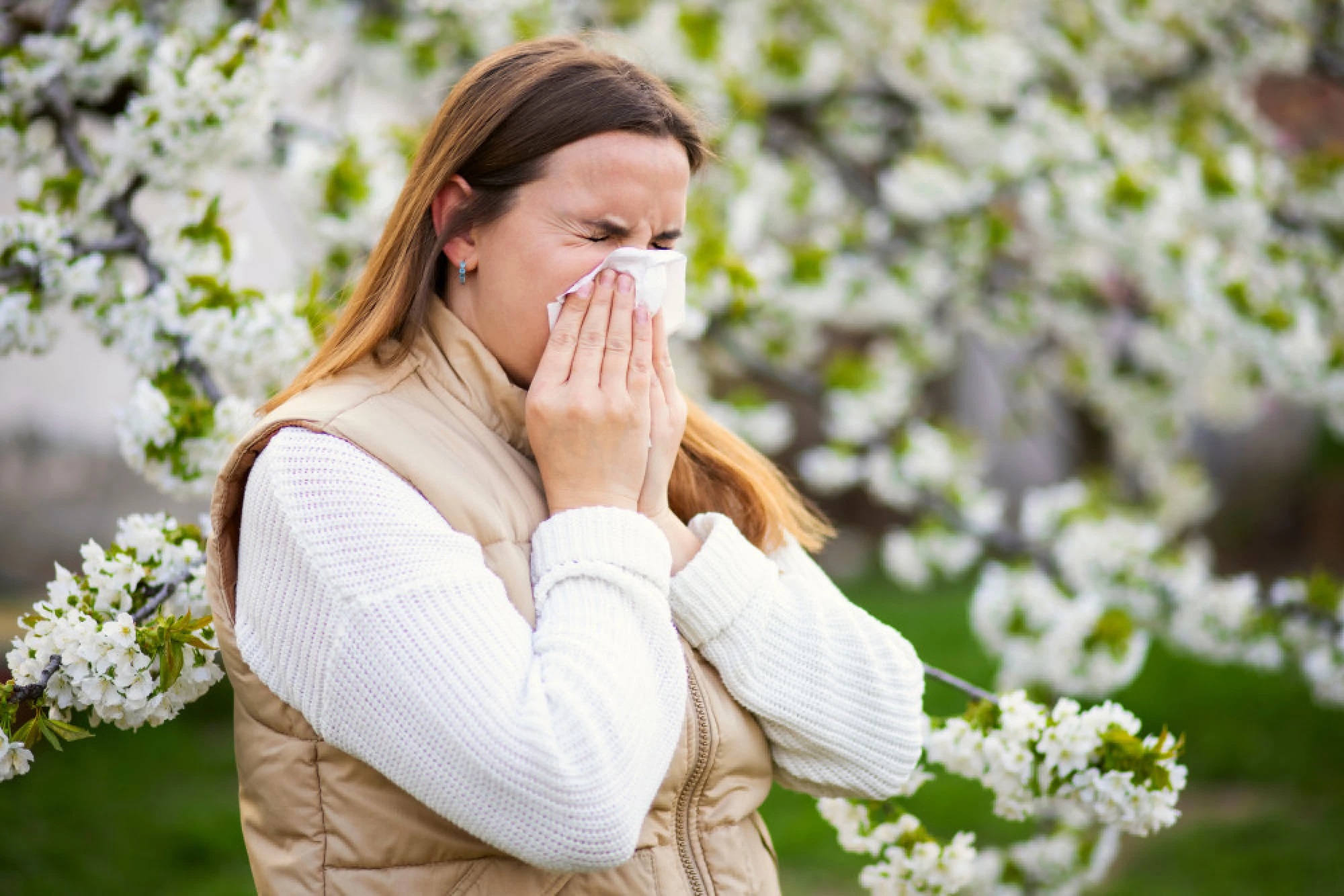
The first warm day of spring should be something to celebrate, not dread. But for millions of people, the arrival of warmer weather means the start of allergy season — and weeks of sneezing, congestion, and itchy eyes that make it hard to focus on anything else. The good news? With the right prevention strategies in place, you can minimize your symptoms and actually enjoy the season.
Here are 10 tips on how to prevent allergies in the spring:
- Start taking allergy medication before symptoms begin
- Keep windows closed during high pollen count days
- Shower and change clothes after spending time outdoors
- Use a HEPA filter in your home
- Wash bedding weekly in hot water
- Vacuum frequently with a HEPA-filter vacuum
- Limit outdoor activities during peak pollen times (early morning and evening)
- Keep pets out of your bedroom if they go outside
- Use saline nasal rinses to clear allergens
- Get allergy testing and treatment from a specialist
If you’ve tried these prevention tips and still find yourself struggling with spring allergies, it might be time to talk to an ENT doctor. Dr. Michael Kaplan and his team of Houston ENT specialists can help you find lasting relief through personalized treatment plans designed for your specific triggers.
Schedule an appointment today and take the first step toward enjoying spring again.
What triggers allergies in the spring?
Spring allergies are typically caused by airborne allergens that increase as plants begin their growing season.
Common spring environmental allergen triggers include:
- Tree pollen from oak, cedar, elm, and pine trees
- Grass pollen as lawns start growing
- Mold spores that thrive in damp spring weather
- Outdoor dust and dirt stirred up by wind
- Increased pet dander as animals shed their winter coats
In Houston, tree pollen is often the biggest culprit, with oak and cedar trees releasing massive amounts of pollen into the air from February through April. The warm, humid climate also creates ideal conditions for mold growth, especially after spring rains. When you breathe in these allergens, your immune system overreacts and releases histamine, which causes all those frustrating symptoms — sneezing, congestion, itchy eyes, and a runny nose.
How do I stop spring allergies?
1. Start taking allergy medication before symptoms begin
Is there a way to prevent spring allergies? One of the most effective strategies is to start your medication before pollen season hits. Many people wait until they’re already miserable to take allergy medicine, but that means your immune system has already kicked into overdrive. By starting antihistamines or nasal sprays a week or two before spring arrives, you can block histamine production before it starts.
Talk to your doctor about the best medicine for sinus drainage and other symptoms — some medications work better when taken preventively rather than as a reaction to symptoms.
2. Keep windows closed during high pollen count days
It’s tempting to open your windows and enjoy the fresh spring air, but this can fill your home with pollen and make your symptoms worse. Allergies in Houston can be particularly challenging because of the high tree pollen counts from February through May.
Instead of opening windows, use your air conditioning to keep your home cool and comfortable. If you need fresh air, consider going outside for a short walk and then coming back inside before pollen counts peak. Check your local pollen forecast daily so you know when it’s safe to open windows versus when you should keep everything sealed.
3. Shower and change clothes after spending time outdoors
Pollen doesn’t just affect you while you’re outside — it clings to your hair, skin, and clothing, following you indoors and continuing to trigger symptoms. After yard work, a walk, or any outdoor activity, take a shower and wash your hair to rinse away pollen. Change into clean clothes rather than wearing the same outfit around your house.
This simple habit prevents you from tracking allergens through your home and onto your furniture and bedding. It’s especially important to shower before bed, so you’re not sleeping with pollen particles on your pillow.
4. Use a HEPA filter in your home
A high-efficiency particulate air (HEPA) filter can trap 99.97% of airborne particles, including pollen, dust, and mold spores. Place HEPA filters in the rooms where you spend the most time, particularly your bedroom. These filters work continuously to clean the air while you sleep, reducing your exposure to allergens throughout the night.
Change your HEPA filters according to the manufacturer’s instructions — a clogged filter won’t work effectively. If you have central air conditioning, consider upgrading to a HEPA-rated filter for your entire HVAC system.
5. Wash bedding weekly in hot water
Your bed can become a collection point for allergens, especially if you’re not showering before sleep or if pollen is drifting in through windows. Wash your sheets, pillowcases, and blankets at least once a week in hot water (at least 130°F) to kill dust mites and remove pollen.
Can allergies cause green mucus? Yes, especially when allergens accumulate in your sleeping space and cause prolonged inflammation. Don’t forget about other fabric items in your bedroom, like curtains and throw pillows — these can harbor allergens too. Consider using allergen-proof covers on your mattress and pillows for extra protection.
6. Vacuum frequently with a HEPA-filter vacuum
Regular vacuuming removes pollen, dust, and other allergens that settle on your floors and carpets. However, standard vacuums can actually make the problem worse by blowing small particles back into the air. A vacuum with a HEPA filter traps these tiny allergens instead of redistributing them.
Vacuum high-traffic areas at least twice a week during spring, and don’t forget about upholstered furniture where pollen can accumulate. Move slowly when you vacuum to give the HEPA filter time to capture particles effectively.
7. Limit outdoor activities during peak pollen times (early morning and evening)
Pollen counts are typically highest in the early morning (between 5 a.m. and 10 a.m.) and on windy days when pollen gets stirred up and carried through the air. If you have seasonal allergies, plan your outdoor activities for late afternoon or evening when pollen counts drop. If you need to do yard work or exercise outside, check the daily pollen forecast and choose days when counts are lower.
On particularly high pollen days, consider indoor alternatives like hitting the gym instead of going for a run outside.
8. Keep pets out of your bedroom if they go outside
Your pets can be walking pollen magnets. When they go outside, pollen sticks to their fur, and they carry it back indoors with them. If your dog or cat spends time outdoors during spring, keep them out of your bedroom to create one pollen-free zone where you can sleep without symptoms. Wipe down your pets with a damp cloth when they come inside, and consider bathing them more frequently during allergy season.
This doesn’t mean you love them any less — it just means you’re protecting your health while still enjoying their company in other parts of your home.
9. Use saline nasal rinses to clear allergens
Saline nasal rinses, also called nasal irrigation, flush pollen and other allergens directly out of your nasal passages. Do allergies make you cough up mucus? Often, yes — and rinsing can help thin that mucus and provide allergy relief. Use a neti pot or nasal rinse bottle once or twice daily during allergy season, especially after spending time outdoors.
The saline solution moisturizes irritated nasal passages while physically washing away allergens before they can trigger an immune response. Always use distilled or previously boiled water for safety, and clean your rinse device after each use.
10. Get allergy testing and treatment from a specialist
If prevention strategies aren’t giving you enough relief, it’s time to see a specialist for allergy testing in Houston. A thorough evaluation can identify exactly which allergens trigger your symptoms — whether it’s specific tree pollens, mold, or even food allergies, insect allergies, or skin allergies that you didn’t realize were contributing to your spring misery.
Once you know your specific triggers, your ENT specialist can create a personalized treatment plan that might include prescription medications, immunotherapy, or other advanced options.
How to treat seasonal allergies
Prevention is important, but sometimes you need more than lifestyle changes to get relief. When allergies are interfering with your daily life, medical treatments can make a significant difference.
Medical treatments for seasonal allergies include:
- Over-the-counter antihistamines like Claritin, Zyrtec, or Allegra
- Prescription antihistamines for more severe symptoms
- Nasal corticosteroid sprays to reduce inflammation
- Decongestants to relieve sinus pressure and congestion
- Allergy shots (immunotherapy) for long-term relief
- Sublingual immunotherapy tablets
- Prescription nasal sprays like Flonase or Nasacort
- Leukotriene inhibitors like Singulair
- Eye drops specifically formulated for allergy relief
The key to successful allergy treatment is finding the right combination of medications for your specific symptoms. What works for one person might not work for another, which is why working with a specialist can be so valuable. They can adjust your treatment plan based on your response and help you find lasting relief rather than just temporary fixes.
It’s time to stop surviving allergy season and start living. Contact Kaplan Sinus Relief today.
Spring allergies don’t have to keep you trapped indoors or reaching for tissues every few minutes. Now that you know how to prevent allergies in the spring, you can take proactive steps to minimize your symptoms and enjoy the season. But if you’ve tried prevention strategies and over-the-counter treatments without getting the relief you need, it’s time to explore professional options.
Dr. Michael Kaplan and his team of Houston ENT specialists offer comprehensive allergy testing and personalized treatment plans designed to address your specific triggers. Schedule an appointment today and discover what life feels like when allergies aren’t running the show.
More Helpful Articles by Kaplan Sinus Relief:
- When to See a Doctor for a Sinus Infection
- How Do Doctors Test for Sinus Infections?
- Falling Asleep at Work? It Could Be Sinus-Related.
- Septoplasty vs Rhinoplasty: What’s the Difference?
- How Do Doctors Drain Sinuses?